What Is a Polyptych? Create Stunning Wall Art Today
Key Takeaways
- A polyptych is a multi panel artwork, usually four or more panels that read as one composition;
- The format began in religious painting and sculpture, now it is popular in photography and home decor art;
- Polyptychs offer big visual impact, flexible layouts, and storytelling power across multiple panels;
- Mixtiles helps you design, preview, and hang a photo polyptych with lightweight, adhesive, repositionable tiles.
Curious what is a polyptych and why designers love it? A polyptych is one artwork made of multiple panels. The idea started in historic painting and altarpieces, and today it thrives in photography and printed wall arts. In this quick guide, you will learn the definition, how it differs from diptychs and triptychs, layout ideas, and simple steps to create a striking photo polyptych with Mixtiles adhesive, repositionable frames.
Ready to create yours? Open the Mixtiles app or website, upload your photos, and arrange your custom photo tiles to preview your polyptych in minutes.
What is a polyptych, exactly?
A polyptych is a multi panel artwork designed to be viewed as one cohesive piece. Most commonly it uses four or more coordinated panels arranged in a line, grid, or stack.
Historically tied to painting and carved altarpieces, the format now includes photography and prints. With Mixtiles, you can turn phone photos into a modern polyptych that installs in minutes.
How does a polyptych differ from a diptych or triptych?
They are all multi panel formats, but they vary by panel count and visual rhythm which affects scale and layout options.
|
Type |
Panel Count |
Typical Feel |
Best For |
|---|---|---|---|
|
Diptych |
2 |
Minimal and balanced |
Small walls, paired portraits |
|
Triptych |
3 |
Central focus with side wings |
Sofas, headboards, mantels |
|
Polyptych |
4 or more |
Expansive and rhythmic |
Statement walls, hallways, staircases |
Why choose a photo polyptych for your space?
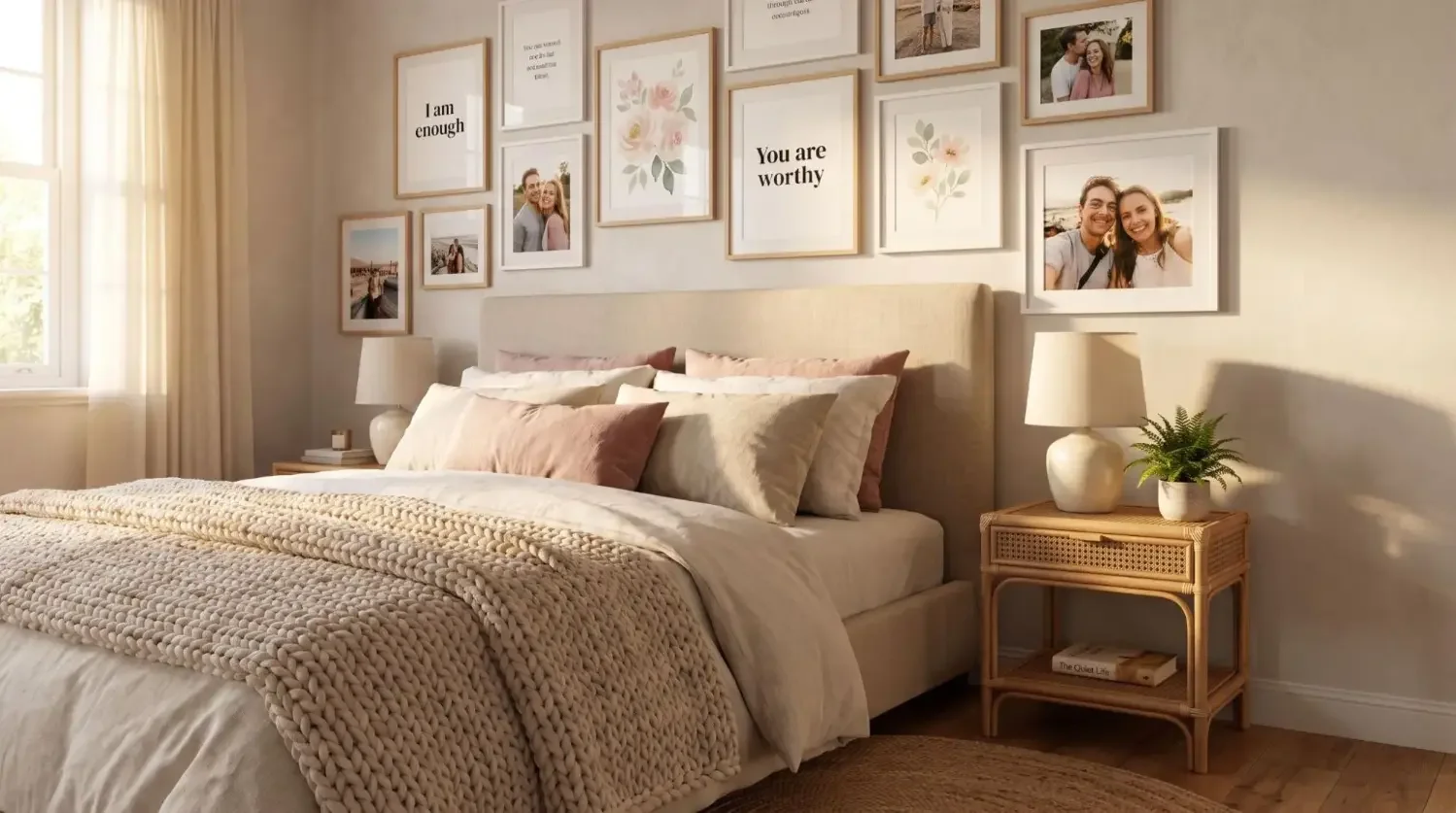
- Scales up impact: multiple panels create a room anchoring statement with gallery energy;
- Flexible to hang: panels can be tight or spaced, stacked or linear to fit your wall;
- Storytelling power: split one panorama or sequence related photos for narrative effect.
Unsure how large your layout should be? Use our wall art size guide to choose panel counts and spacing that fit your wall.
Design a gallery worthy polyptych with our custom canvas prints. For a modern grid, try arranging four 8x8 canvas prints for a perfectly symmetrical statement piece.
What layouts work best for polyptychs?
Clean grids and linear runs work well. You can split one wide image across panels or arrange a themed series for cohesion.
Popular approaches

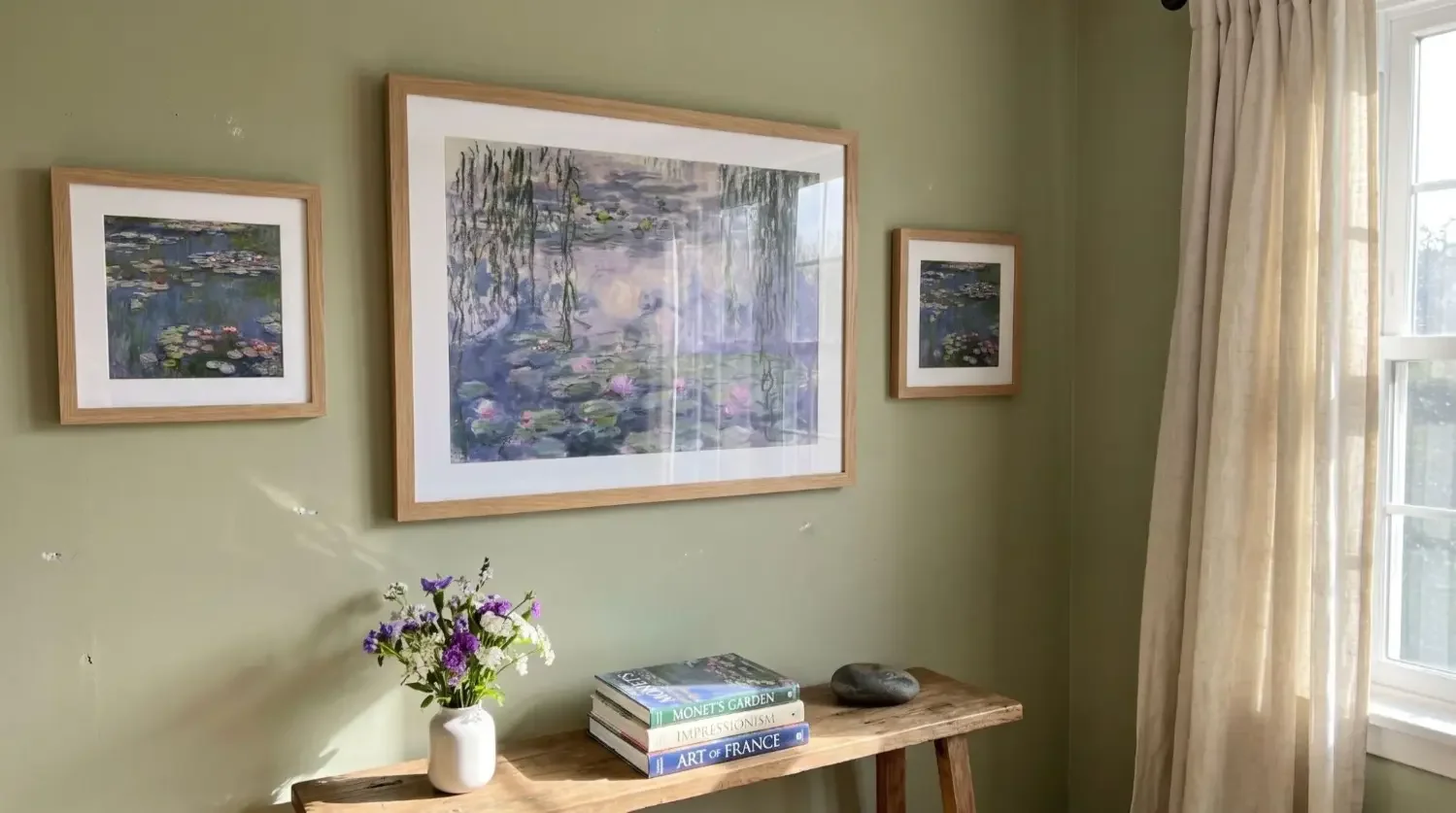
Single image across panels: great for landscapes, cityscapes, or abstracts.

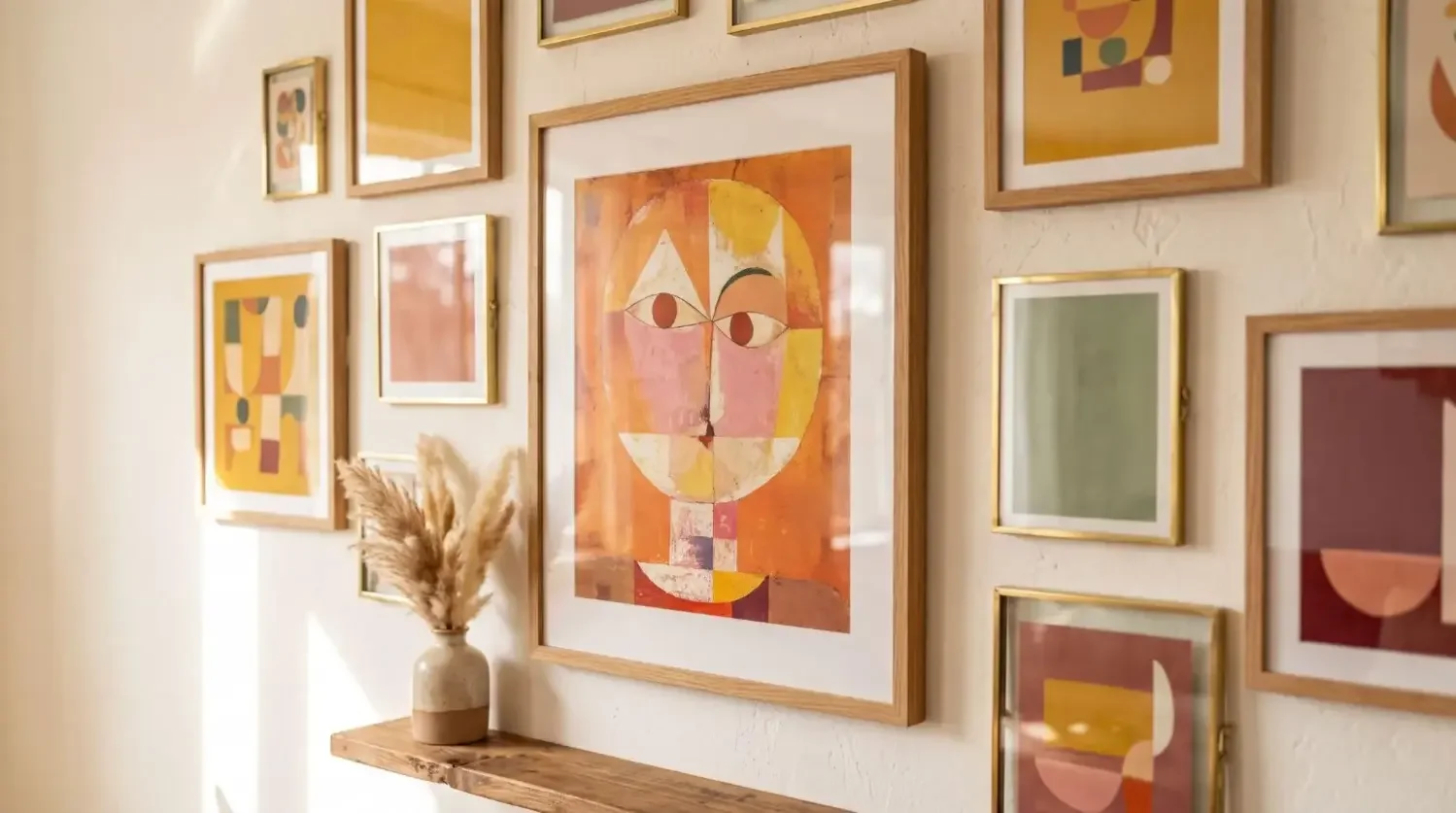
Thematic series: unify color, subject, or location for rhythm.

Grid walls: These are perfect for creating modern photo walls with 4, 6, 8, or 9 panels for perfect symmetry.
Spacing and alignment tips
Keep consistent gaps; align either tops or centers; place faces or focal details away from panel seams when splitting a single photo.
For more composition ideas, spacing, and grid formulas, read our tutorial on how to arrange art on a wall.
How do you plan a polyptych with Mixtiles?
- Curate: choose 4 or more related photos or crop one high resolution image into multiple panels;
- Edit: apply consistent color and contrast for a unified look;
- Choose tiles: select matching sizes and frames, or turn your photos to canvas for a gallery feel;
- Mock it up: arrange tiles on the floor to test order and spacing before sticking;
- Install: peel, stick, step back, and adjust. Mixtiles are lightweight and repositionable.
Mixtiles install with built-in adhesives, so you can hang wall art without nails and make quick adjustments as you go.
Pro tips for print quality and impact
- Use high resolution images, especially when splitting one photo across panels;
- Avoid cutting faces or key details at seams, shift the crop slightly if needed;
- Hang at eye level for the main line, adjust for furniture height to balance the composition.
Wondering about exact heights for living rooms, bedrooms, or hallways? Follow our guide on how high to hang art on a wall for room-by-room measurements.
Now that you know what is a polyptych, you can turn favorite moments into a unified work of art. Mixtiles makes it easy to plan, preview, and install with stick and restick tiles, Gallery Wall Kits, and Canvas options. Create a striking painting like effect on your walls in minutes.
Start your polyptych today and build the perfect picture wall. Open the Mixtiles app or visit mixtiles.com to explore our gallery walls and bring your vision to life without nails.
Frequently Asked Questions
What is a polyptych in art?
A polyptych is a multi panel artwork made of four or more coordinated panels. Historically these appeared as painted or carved altarpieces with a central main panel and side wings. Today the term also covers photography and prints arranged to read as one unified composition.
How is a polyptych different from a diptych or triptych?
They differ by panel count and the effect they create. A diptych uses two panels for a minimal, paired feel. A triptych uses three, often with a central focus. A polyptych has four or more panels, offering greater scale, rhythm, and layout flexibility.
What exactly is a triptych?
A triptych is an artwork in three panels. The panels can present three related views of one subject, or a single image divided across three sections for balance and movement. Triptychs suit sofas, headboards, and mantels where a centered composition reads clearly.
How do you hang a polyptych?
Plan eye level first, then map the overall width. Keep consistent gaps, align tops or centers, and avoid placing faces or key details on seams. Test the order on the floor or in a preview. With Mixtiles, peel, stick, and adjust cleanly without nails.

Be the first to know — deals, news & decor ideas.
By clicking you agree to the Terms of Use & Privacy Policy