Triptych Canvas Wall Art: Create Stunning 3-Panel Displays
Key Takeaways
- Triptych canvas wall art splits one image or three coordinated photos into a 3‑panel composition that creates rhythm and depth;
- Strong results come from a high‑quality image, thoughtful cropping, and even gaps between panels, typically 1 to 3 inches;
- Mixtiles makes triptychs simple: create in minutes on the app or website, then hang without nails and reposition until it is perfect;
- Choose layouts that fit your room, refine scale to your furniture width, and match tones to your existing home decor for a beautiful finish.
Triptych canvas wall art is a timeless way to turn a favorite photo or design into a gallery‑worthy statement. By dividing one image into three panels, or arranging three complementary photos, you add movement, depth, and balance to any wall. In this guide, you will learn how to choose the right images, dial in sizes and spacing, pick layouts that fit your space, and create a triptych in minutes with Mixtiles easy, no‑nails system. Bring your walls to life without the hassle.
Ready to design yours? Turn your favorite photos to canvas and create stunning custom canvas prints with the Mixtiles app or on our website. No nails, no stress.
What is triptych canvas wall art, and why does it transform a room?
A triptych is a three‑piece wall art format where one continuous image or three related prints form a single visual story. Compared to a single print, a 3‑panel layout introduces motion and dimension. It is ideal above a sofa, bed, dining console, entry wall, or a long hallway.
Which photos work best for a 3‑panel print?
The best triptych art starts with composition. Wide landscapes, city skylines, seaside horizons, and architecture with clear leading lines split beautifully. Abstract wall art, textures, and black and white images are forgiving because they keep the eye moving across panels. Portraits and lifestyle shots can work too, as long as you avoid placing faces or key details on a split.
Image types that shine
Choose images with negative space and a clear focal flow from left to right. Panoramas, minimalist scenes, and abstracts often create a bold statement without crowding your room. If you plan a kitchen or office display, consider calm neutrals or geometric canvas prints. For a living room or bedroom, soft landscapes or large wall art in soothing palettes can anchor the space. For more inspiration, explore our split canvas print ideas to see subjects that translate beautifully into three panels.
Technical tips
Start with a high‑resolution file so each panel looks crisp. Use crop tools to preview where the splits land, and shift the frame to protect essential subjects. Keep color harmony consistent across the three panels for cohesion, whether you choose color, black, or white tones.
How big should your triptych be, and how far apart should you hang the panels?
Scale your triptych to your furniture. As a rule of thumb, the total width of your triptych should span a little over half your furniture width, and the center should sit near eye level. Keep panel gaps even for a clean gallery effect.
Scale rules of thumb
Use these quick guidelines while planning size and placement.
- Aim for 55 to 75 percent of the furniture width beneath for total triptych width;
- Center height around 57 to 60 inches from floor to the midpoint of the center panel.
Not sure which dimensions fit your room? Use our canvas size chart to choose panel sizes that suit your furniture and wall width.
Layout styles to consider
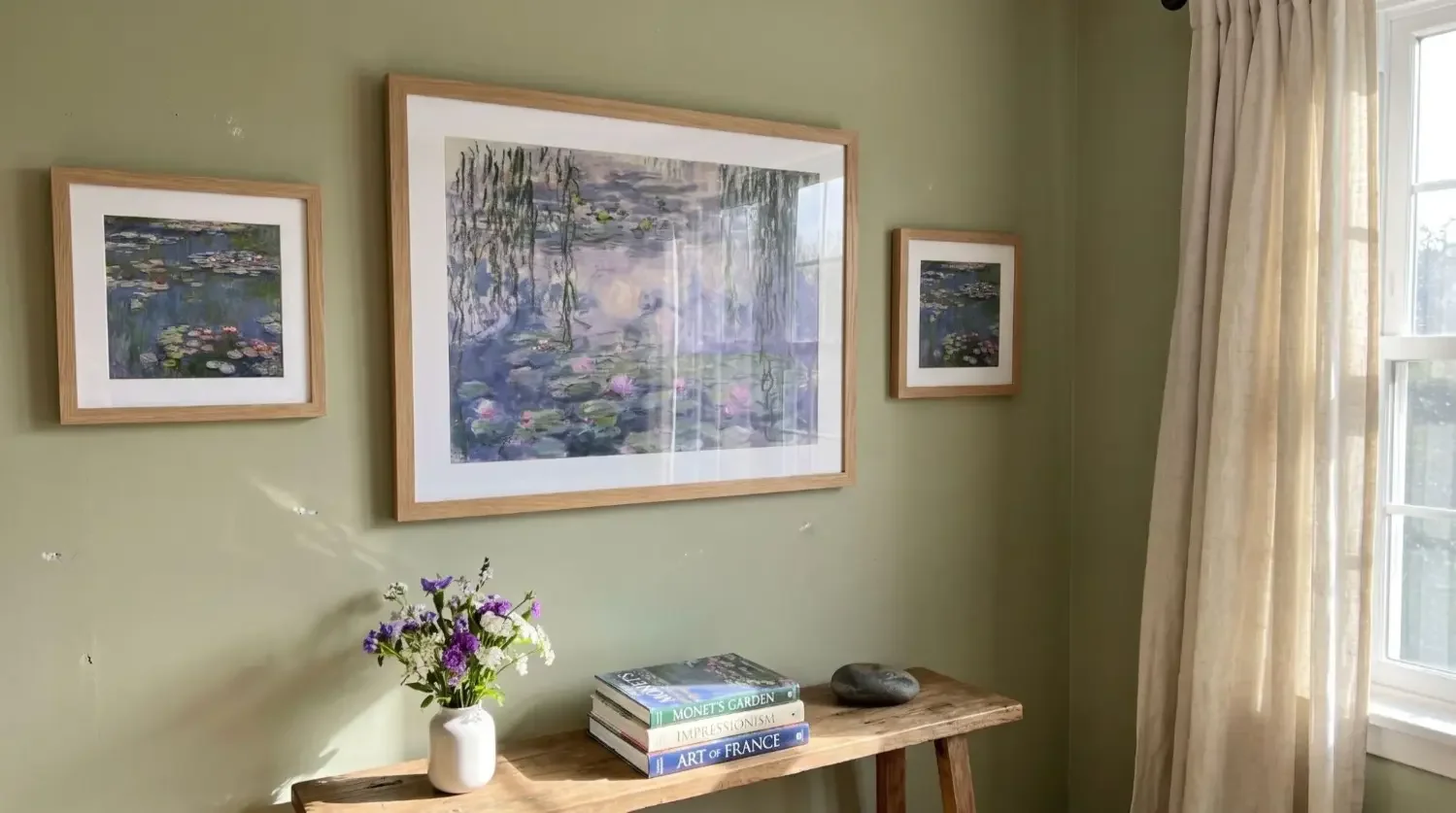
Most homes favor a horizontal row above sofas and headboards. A vertical stack suits narrow walls or an entry. A staggered multi panel look feels dynamic in modern spaces and can expand into a gallery wall over time.
Spacing cheat sheet
|
Panel size each |
Recommended gap |
Approx. total width, 3 panels + gaps |
Metric total width |
|---|---|---|---|
|
12 × 16 in |
1–2 in |
38–40 in |
96.5–101.6 cm |
|
20 × 27 in |
2 in |
64 in |
162.6 cm |
|
27 × 36 in |
2–3 in |
87–90 in |
221–229 cm |
Try it risk free. Build your triptych with our versatile photo tiles and adjust the layout on your wall. Our frames stick and restick without damage.
How do you create triptych canvas wall art in minutes with Mixtiles?
Mixtiles simplifies everything. Upload your photos, choose a 3‑panel layout, preview the crop, then place your order. Your canvas art or framed prints arrive ready to hang with stick‑and‑restick or magnetic mounting.
Step‑by‑step: From photo to wall
Follow these steps for a smooth process.
- Upload your photo or three images in the Mixtiles app or on the website;
- Select canvas tiles or framed prints, then pick a row, stack, or stagger triptych layout;
- Use crop guides to preview the split and protect focal points;
- Add to cart and check out, your prints arrive ready to hang;
- Align panels on the wall, stick, and restick until spacing is perfect.
Pro tips for flawless alignment
- Mark a light centerline with painter tape, then place the middle panel first;
- Match gaps with a ruler or spacer, keep edges level as you add side panels;
- Step back 6 to 10 feet to check balance, adjust if needed.
Want a deeper walkthrough? See our guide on how to hang canvas art on a wall for extra placement and leveling tips.
Mixtiles vs traditional triptych canvases: what is the difference?
Traditional canvases often require nails, templates, and a lot of measuring. Mixtiles are lightweight, adhesive backed or magnetic, and made to move with you, no holes required.
No nails, no damage
Adhesive backing and optional wall magnets protect painted walls, perfect for renters and frequent refreshes in any room.
Repositionable equals stress‑free styling
Change spacing, height, or the entire layout in seconds. Your triptych wall art evolves as your home decor does.
Easy, modern, and modular
Start with a 3‑piece, then extend into a gallery wall kit. Add a coordinating Wall Sign, mix in fine art prints, or create a matching photo book as a gift.
Where should you hang your 3‑piece artwork for maximum impact?

Place your triptych where it can breathe. Above a living room sofa, low over a headboard, along a dining wall, in an entry, or even in a calm office corner. For a kitchen, consider abstracts or serene landscapes that pair with ceramics and textiles.
Room‑by‑room ideas

In a living room, anchor the wall with a landscape or abstract that echoes your throw pillows and rug. In a bedroom, choose softer palettes. For dining, textured canvas prints feel warm. Entry or hallway walls benefit from vertical stacks that guide the eye.
Styling pointers

Repeat two or three colors from your triptych in nearby accents. Combine with plants, sconces, or a narrow console. If you like to shop different formats, remember that posters, acrylic, or metal prints can complement your main canvas wall art in other areas of the home. If you are weighing finishes, compare acrylic print vs canvas to choose the look that matches your space.

Triptych canvas wall art delivers gallery‑level impact with everyday simplicity. Choose a strong image, pick the right layout, and mind scale and spacing. With Mixtiles, you can design your three‑panel statement in minutes and hang it perfectly the first time, then tweak it anytime without tools or holes. Your walls deserve a story worth telling. Let us help you bring it to life.
Ready to tell your story? Start with a triptych and expand into a beautiful photo gallery wall. Upload, design, and stick with Mixtiles. No nails. No damage. All wow.
Frequently Asked Questions
What is triptych canvas wall art?
Triptych canvas wall art is a three panel composition using one image split into thirds, or three coordinated images, presented as a single visual story. The gaps create rhythm and depth, making large walls feel balanced while keeping the look clean and modern.
How do I choose and crop images for a triptych?
Select images with negative space, clear direction, and minimal critical details at the center. Use crop previews to keep faces, horizons, or text away from the splits by about 1 to 2 inches. Align leading lines across panels for a seamless flow.
What size and spacing should I use?
Above a sofa or bed, aim for total width equal to 55 to 75 percent of the furniture below. Hang the midpoint around 57 to 60 inches from the floor. Keep even gaps of 1 to 3 inches, 2.5 to 7.5 centimeters, for a crisp gallery effect.
What image resolution is best for sharp triptych prints?
Target 150 to 300 ppi at final print size. As a guide, a 20 by 27 inch panel needs at least 3000 by 4050 pixels for 150 ppi. Shoot in good light, avoid heavy cropping, and export high quality JPEG or PNG for best results.

Be the first to know — deals, news & decor ideas.
By clicking you agree to the Terms of Use & Privacy Policy